


Winter Safety Tips for Dogs: Keeping Your Pup Comfortable All Season Long


Winter brings cozy moments and beautiful outdoor adventures—but colder weather also introduces new challenges for our dogs. From icy ground to dry indoor air, winter conditions can affect your dog’s comfort, health, and daily routine. Winter safety for dogs doesn’t have to be complicated—small, thoughtful adjustments can make a big difference during colder months.
At WALA, we focus on education, responsible breeding, and helping families confidently navigate every stage of life with their Australian Labradoodle. Here’s what dog owners should know to keep their pups safe, comfortable, and thriving throughout the winter season.
Winter Safety for Dogs: What to Expect in Cold Weather
Not all dogs handle winter the same way. Factors like size, age, coat type, and activity level play a big role in cold tolerance. Puppies, smaller dogs, and dogs with finer coats—like many Australian Labradoodles—often feel the cold sooner than expected.
Shorter outdoor sessions, extra observation, and a flexible routine go a long way during colder months.

Protecting Paw Pads in Winter
Snow, ice, and frozen ground can be hard on sensitive paw pads. Even a quick potty break can expose paws to rough surfaces and irritating substances.
Helpful winter paw care tips include:
Checking paws after every outing
Removing ice buildup between toes
Wiping paws with a damp cloth to remove salt or residue
Drying paws thoroughly before heading back inside
Using a pet-safe paw balm for added protection
For dogs who spend more time outdoors, dog boots can also be a helpful option.
Hidden Winter Hazards to Watch For
Winter introduces substances and situations that can be harmful if dogs are exposed.
Be especially mindful of:
Ice melt and sidewalk salts
Chemical deicers tracked indoors
Antifreeze spills or leaks, which are highly toxic to dogs
After walks, a quick wipe-down of paws and lower legs helps reduce accidental exposure. At home, choosing pet-safe products whenever possible adds another layer of protection.
Safe Exercise When Temperatures Drop
Regular movement is still important in winter, but it may look a little different than during warmer months.
Outdoor tips:
Choose calm, sheltered walking routes
Avoid extreme cold or strong winds
Watch for signs of discomfort, such as lifting paws, slowing down, or shivering
Indoor alternatives:
Short training or obedience sessions
Hide-and-seek games
Tug or fetch in open indoor spaces
Puzzle toys and enrichment activities
Mental stimulation is especially valuable during winter when outdoor time may be limited.
Does My Dog Need a Winter Coat?
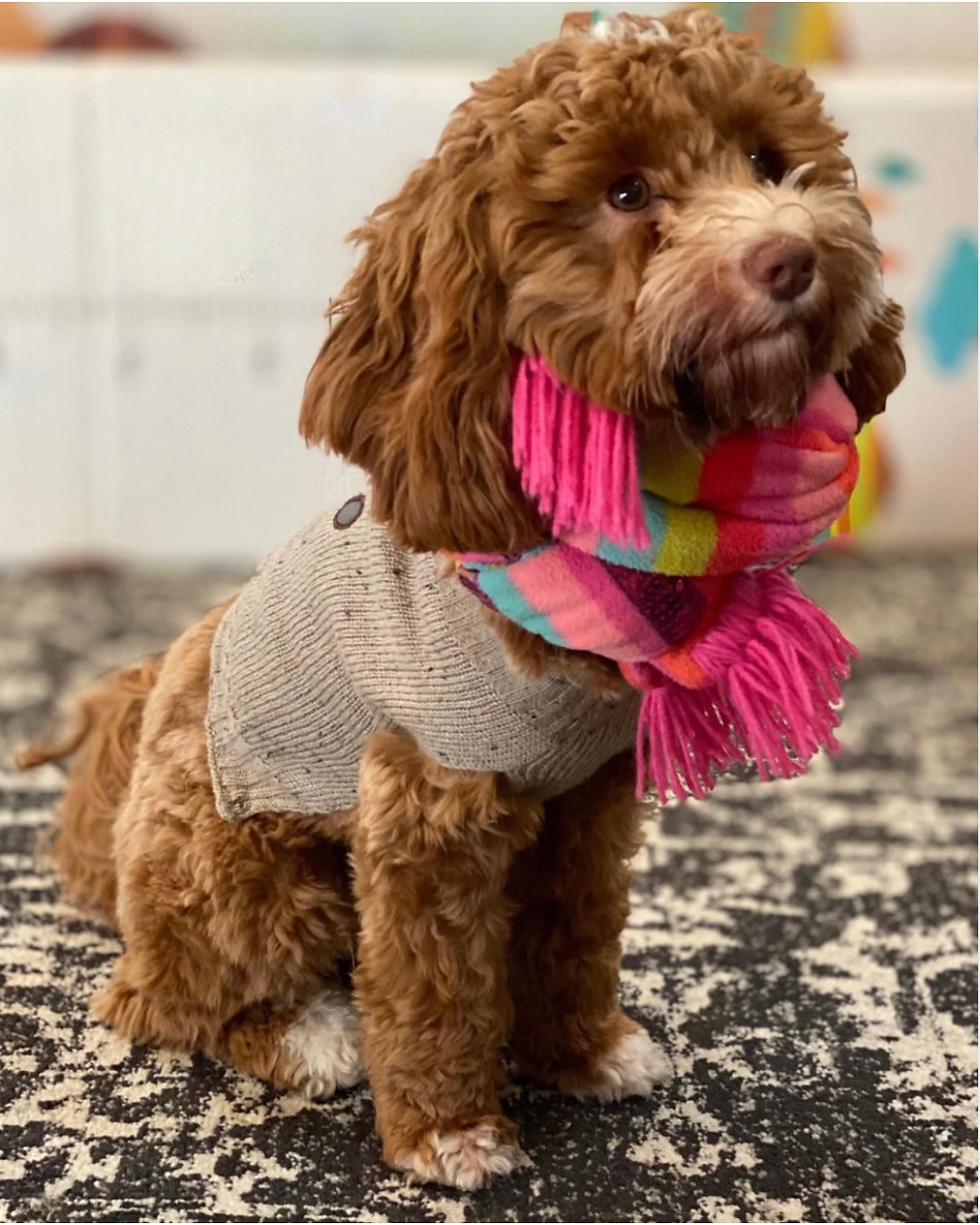
Some dogs benefit from extra warmth in winter—especially puppies, smaller dogs, and dogs with lighter or finer coats.
A well-fitted coat can:
Help retain body heat
Protect the chest and belly
Make outdoor time more comfortable
Fleece-lined options are lightweight, warm, and easy to move in. Even dogs with fuller coats may appreciate an extra layer during particularly cold outings.
Winter Nutrition & Hydration
Colder weather can subtly affect your dog’s appetite and hydration.
Keep in mind:
Dogs who are more active outdoors may need slightly more calories
Treats should remain balanced and limited
Fresh water should always be available, as indoor heating can cause dehydration
A helpful guideline: you should be able to feel your dog’s ribs without seeing them.
Indoor Comfort Matters Too
Dry winter air can impact your dog’s skin and coat, just like it does for people.
Ways to support comfort indoors include:
Providing constant access to fresh drinking water
Using a humidifier if your home air is very dry
Avoiding frequent bathing
Brushing regularly to support coat health and circulation
Some dogs may benefit from dietary supplements, but it’s always best to consult your veterinarian first.
Warm, Safe Resting Spaces
As seasons change, dogs may seek out different sleeping spots for comfort and warmth.
Make sure your dog has:
A draft-free sleeping area
Comfortable bedding
The ability to move closer to or farther from warmth as needed
Providing options allows dogs to regulate their comfort naturally.

Supporting Dogs Through Every Season
At WALA, we believe thoughtful routines, intentional early exposure, and close observation help Australian Labradoodles adapt confidently through every season of life. Our commitment to education and breeder support extends well beyond puppyhood—so families feel informed, prepared, and supported at every stage.
If you ever have questions about winter routines, puppy care, or navigating seasonal transitions, we’re always here to help.
